Step into Portland’s working-class past on a journey through one of the city’s most storied neighborhoods. This is a dynamic exploration of cultural identity and resilience told through the lens of urban planning and citizen resistance. Grounded in Dr. Tanya March’s dissertation and enriched by oral histories, we explore the character and legacy of a neighborhood that continues to shape Portland’s identity.

Soul of Slabtown Walking Tour
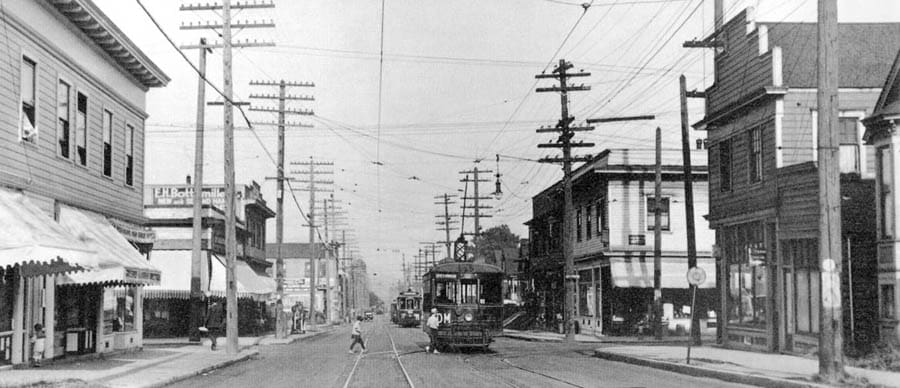
This tour weaves through Slabtown’s layered landscape, where every block holds echoes of industry, innovation, and resistance. Along the way, you’ll encounter sites that tell the deeper story of how Portland’s growth collided with and reshaped a working-class neighborhood. The tour highlights cycles of construction and erasure shaped by forces like streetcar expansion, redlining, freeway projects, urban renewal, and grassroots resistance. Rather than a static preservation story, this tour shows how Slabtown has continually reinvented itself—anchored by the spirit of those who lived and labored here.
- Start & End Location: NW Library 2030 NW Pettygrove St, Portland, OR 97209
- Length of Tour: 100 minutes
- Distance: 1.5 miles
- Accessibility: The tour has some grades and route is adjusted based on speed of travel of the guests, The route is flexible and dependent on the size and individual makeup of each tour.
- Schedule: Check Calendar
- Typically early afternoons Friday-Mondays year-round
Adults: $32 | Honored Citizens: $20 | Youth: $12
Reservations required
What is Slabtown?
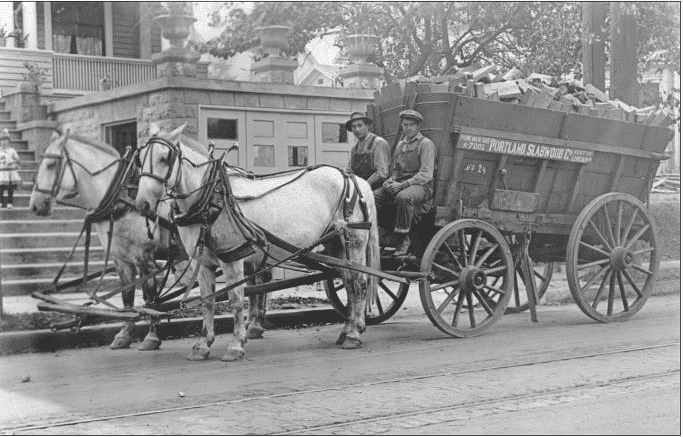
The term Slabtown originated from the lumber industry. In the late 19th century, sawmills sold slabwood—the rough outer cuts of logs—as cheap fuel. These wood slabs, stacked high outside homes and businesses, symbolized the grit and perseverance of a working-class neighborhood that helped build the city from the ground up.
Neighborhood Fun Facts
Fun Fact #42
Fun Fact #11
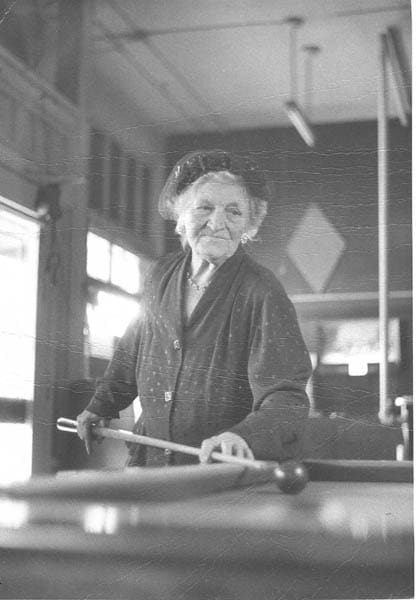
Photographer Fred DeWolfe
Fun Fact #54
Lost Historic Highlights
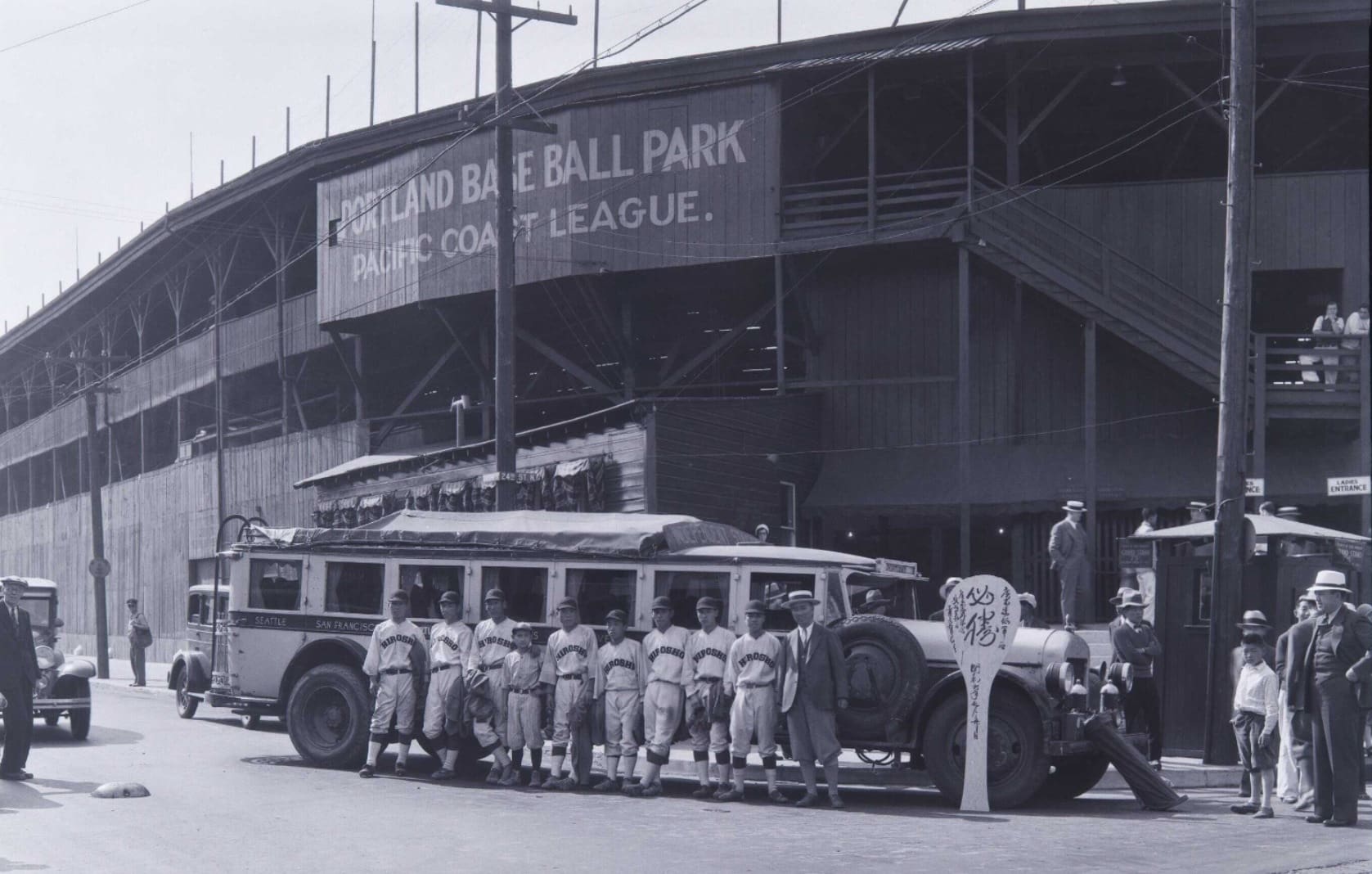
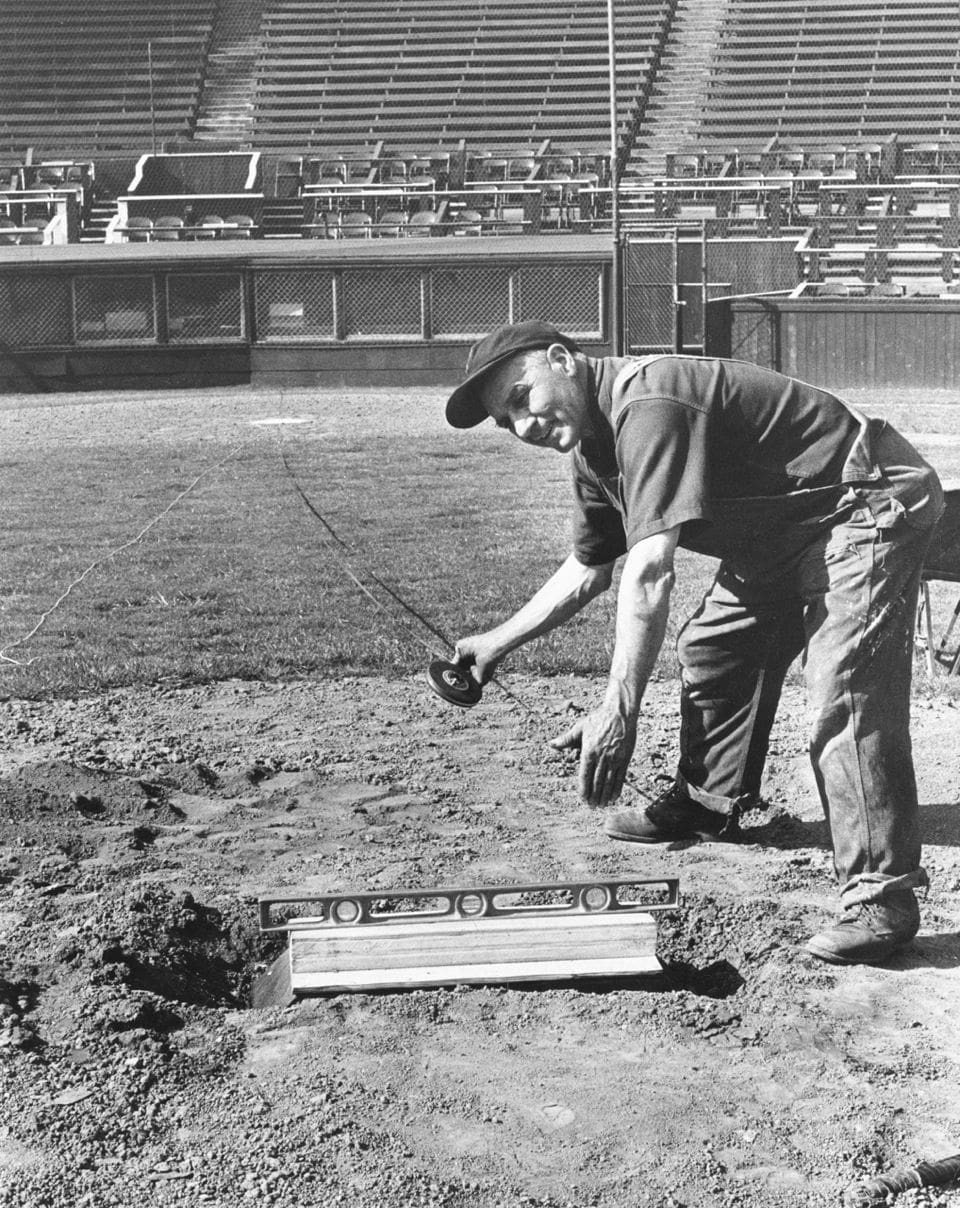
- Vaughn Street Ballpark (1901–1953): Built by streetcar magnate Ida B. Fuller, this was the heart of Portland baseball for nearly six decades.
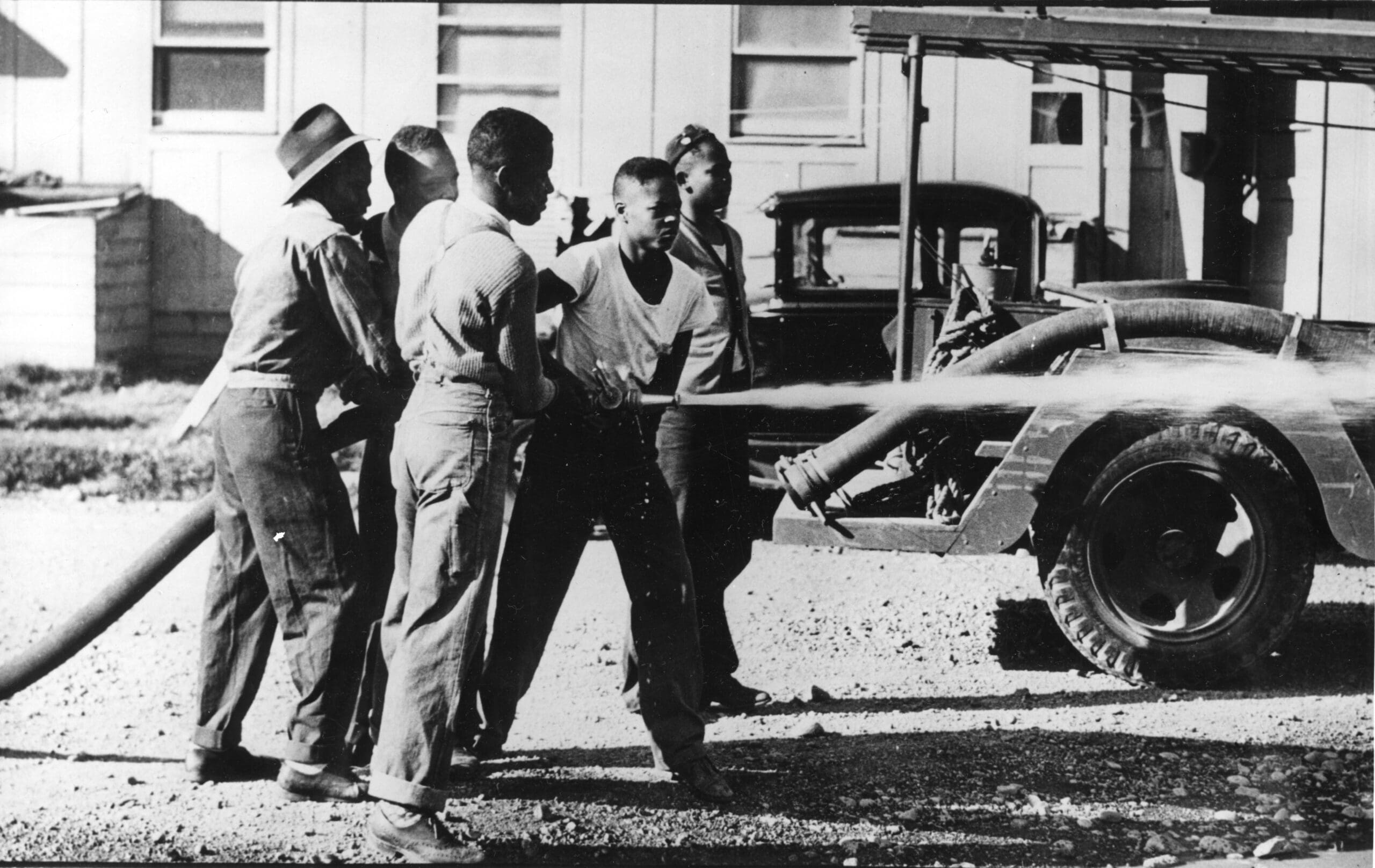
- Guild’s Lake Courts War Housing (1942–1951): A massive WWII federal housing project – the only defense housing project in Portland to house Black residents.
- 1905 Exposition Entrance: The gateway to the Lewis & Clark Centennial Exposition, which drew 2.5 million attendees (not officially a World’s Fair, despite its scale).
- World’s Largest Log Cabin (1905–1964): Designed by A.E. Doyle for the 1905 Exposition; a towering symbol of frontier pride until it burned in 1964.
Important Details
- Wear comfortable walking shoes.
- Use the restroom before the tour begins.
- Bring water and rain gear, depending on the weather.
- Metered street parking is available nearby.
- Public transit options include TriMet Bus 77 and the NS Streetcar.
- Friendly, leashed dogs are welcome.
- All guests must complete a digital waiver before the tour.
- For groups with more than 8 guests reach out for a private tour.