Last Updated on April 12, 2026

What is left of Slabtown’s Olympic-Sized Ice Rink?
The Grand Debut of the Ice Hippodrome
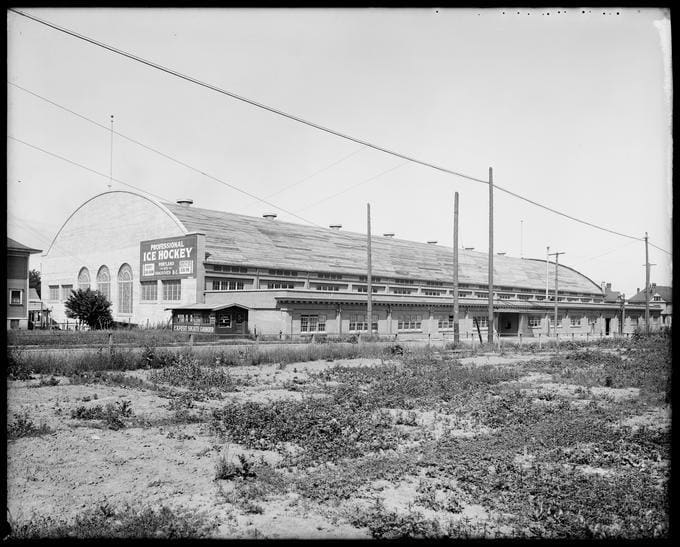
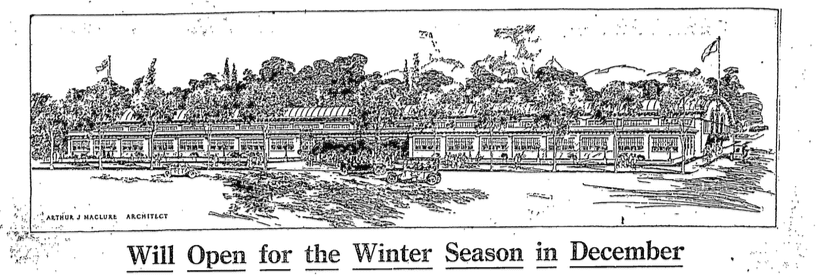
The Portland Ice Hippodrome made its grand debut on November 9, 1914, occupying two full city blocks between 20th Avenue, Marshall, and Northrup Streets. Measuring a staggering 175 by 360 feet, the facility boasted seating for 5,000 spectators and enough surface area for 2,500 skaters to glide simultaneously—though, for the best experience, you might have wanted to bring your own skates.
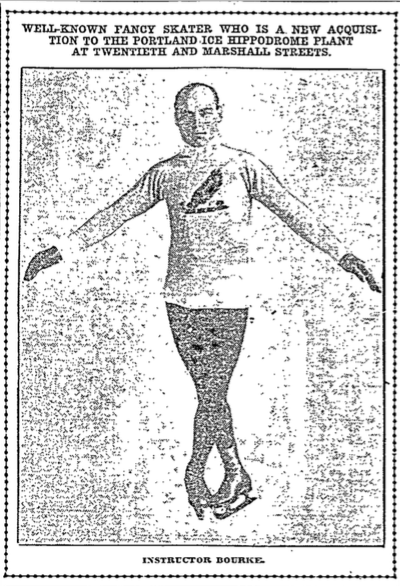
To maintain its record-breaking status, engineers installed twenty miles of piping to keep the ice a consistent 2.5 inches thick at a crisp 12°F. At its opening, it was heralded as the largest artificial ice rink in the world, overseen by lead instructor James Bourke—the “Canadian Crack Shot” and protégé of the legendary Norval Baptie.
A Legacy of Professional Hockey
The arena’s cultural legacy is perhaps best defined by the Portland Rosebuds (often called the Patricks -for the owners– or the Uncle Sams). In the 1915–16 season, they became the first American-based team to have their names engraved on the Stanley Cup, despite a technicality in the final standings. Later, the original Portland Buckaroos called the arena home from 1928 until 1941.
Financial Thaw and Final Closure
By 1925, the venue was rebranded as “Coliseum Ice” (often called the Marshall Street Ice Rink), but the immense overhead of cooling such a vast space, coupled with lease demands, proved financially precarious. Ultimately, fire safety concerns regarding the building’s egress led the city to shutter the structure in the 1950s.
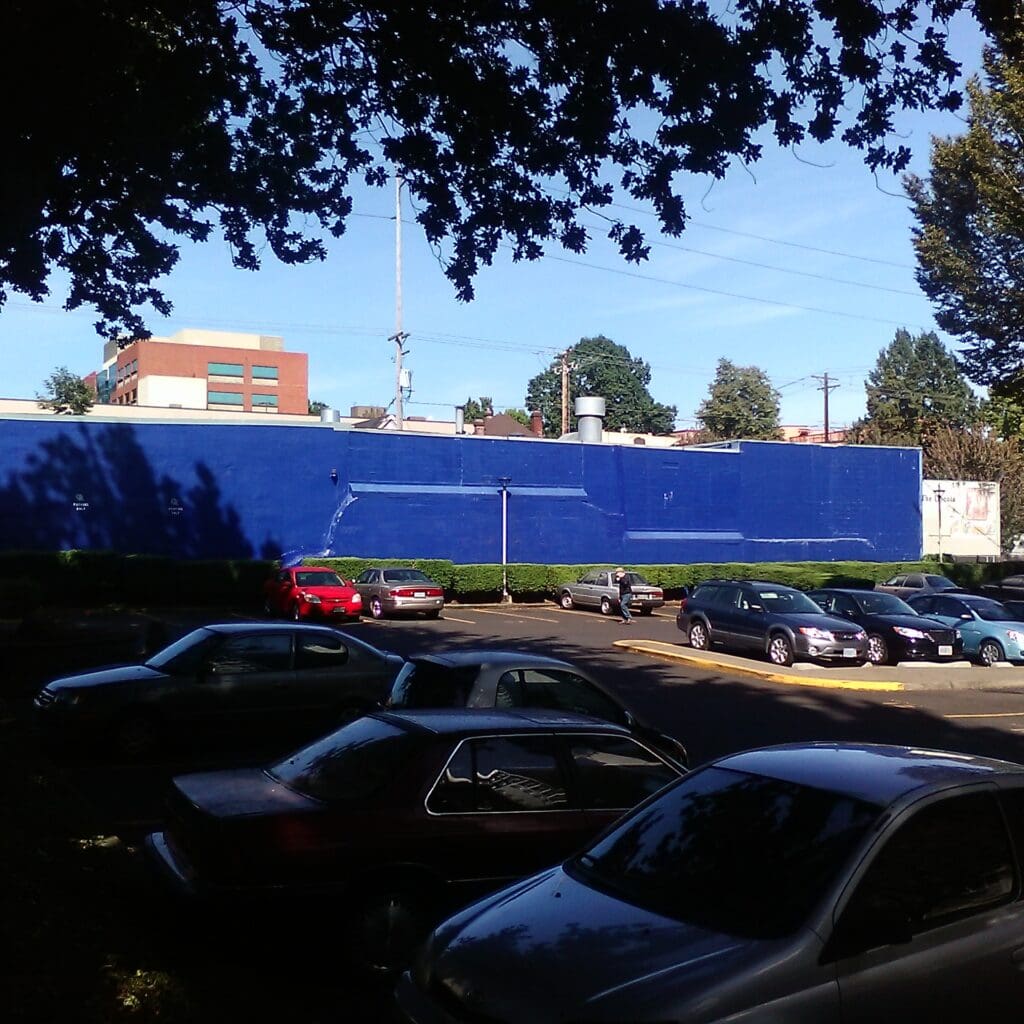
What Remains Today
Today, all that remains of this frozen titan is a jagged, blue-painted retaining wall located just west of Marshall Manor. It stands as a silent remnant of a former party wall, serving as the last physical evidence of a bygone era of Slabtown grandeur.