Tag: Harry Houdini
-
FF#92 Why did a 19th-Century Portlander Bury His Own Hand in NW Portland?
Read more: FF#92 Why did a 19th-Century Portlander Bury His Own Hand in NW Portland?One of Northwest Portland’s stranger real-life tales has not been incorporated into our tours. The Curious Case of Mr. Hurshey’s Amputated Hand. In 1890, a rail worker named Mr. Hurshey was working for the Union Pacific Railroad Company. While “making up a train”—coupling heavy railcars together by hand—his left wrist was completely crushed. He was rushed to the Old Portland…
-

#91 The Portland Connections to Titanic’s Maiden Voyage
Read more: #91 The Portland Connections to Titanic’s Maiden VoyageThe Hop King, the Titanic, and the Secret History of 2181 NW Glisan If you ever pass the bay-windowed apartment building at 2181 NW Glisan Street in Portland’s Nob Hill, stop for a second. Today, it’s a gorgeous brick courtyard complex with tiers of open balconies. In the early 1900s, it was known as the Highland Court Apartments (then 711…
-
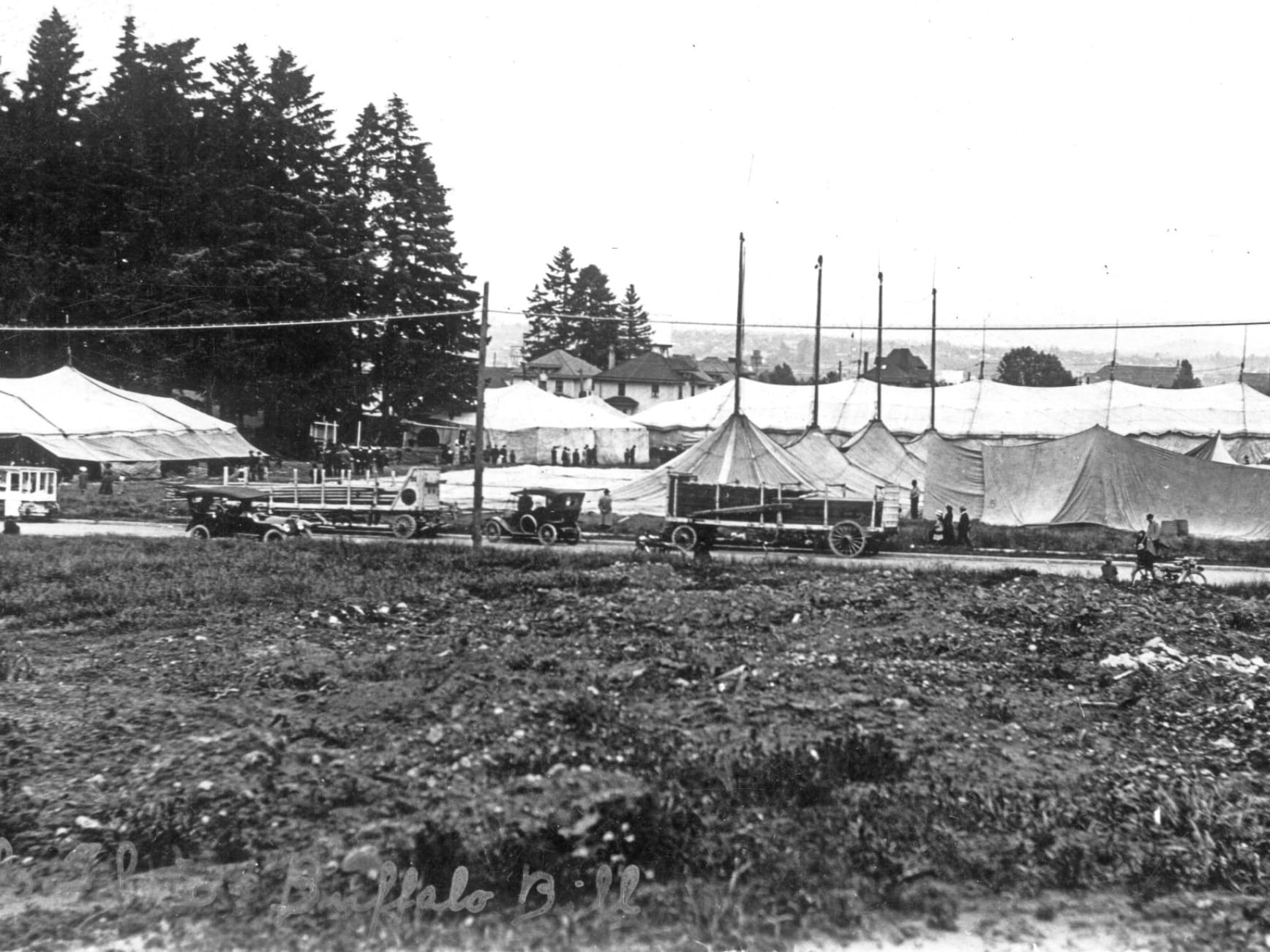
Fun Fact #87 Where did Buffalo Bill and other circuses set up in the early 1900s Portland?
Read more: Fun Fact #87 Where did Buffalo Bill and other circuses set up in the early 1900s Portland?Answer: Between NW Pettigrove & Raleigh Streets at NW 25th. Future site of Wallace Park was the circus grounds. Before it became the neighborhood green space we know today, the land that is now Wallace Park had a much wilder history: it was once a favorite location for traveling circuses visiting Portland. Thanks to rare photographs from local private collections,…
-
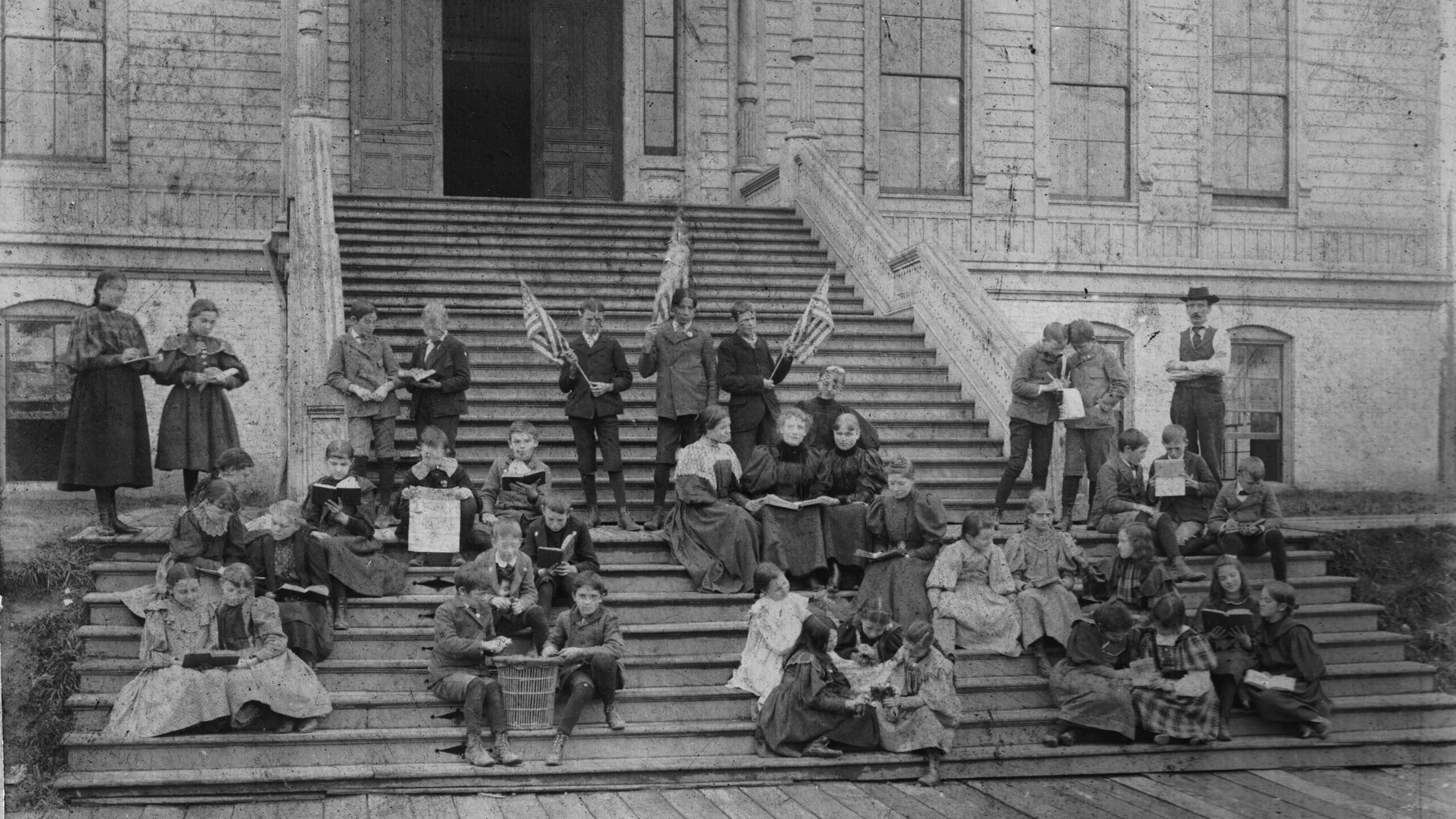
FF# 90 Old Couch School Becomes a FireTrap
Read more: FF# 90 Old Couch School Becomes a FireTrapThe Forgotten History of Portland’s Old Couch School: From Pioneer Beginnings to “Firetrap” This is an updated version of “Old Couch School Becomes a FireTrap” article Tanya Lyn March wrote for NW Examiner, September 2018, pp 9-10. A descendant of a woman that graduated in class of 1912 reached out compelling our team to revisit the narrative – unearthing a…
-
FF#89 Who are the street named for? Part One ABCs.
Read more: FF#89 Who are the street named for? Part One ABCs.Streets of the Alphabet District After rolling out the new website this week the page with this street name information was ghosted. For a decade we use to print out this list of street name attributes for our guests. After COVID paper became less of a thing. A frequently asked question: “Where is the A street?” It is located south…
-
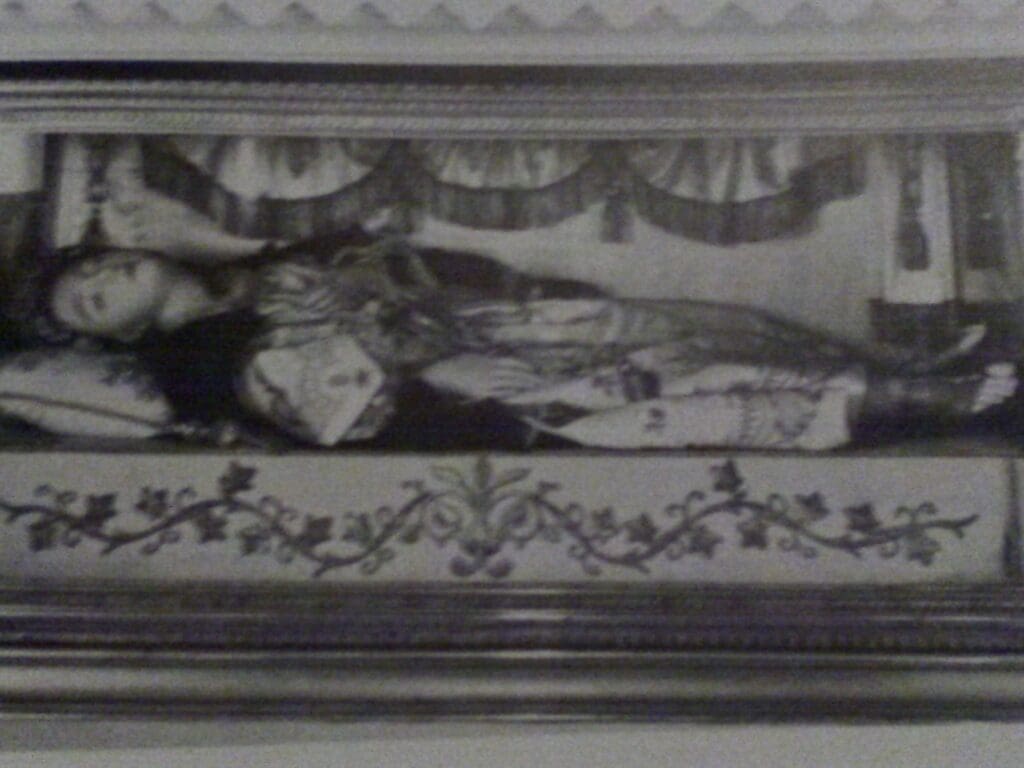
FF#87 Why did the remains of a woman who died in Italy in 96 A.D. come to rest in Northwest Portland?
Read more: FF#87 Why did the remains of a woman who died in Italy in 96 A.D. come to rest in Northwest Portland?An update to the article originally printed in the NW Examiner (April 2018) by Tanya Lyn March. Remains of Ancient Martyr Find Their Way to Slabtown Why did the remains of a woman who died in Italy in 96 A.D. come to rest in Northwest Portland? Saint Flavia Domitilla, the granddaughter of Roman Emperor Vespasian, was purportedly martyred for aiding…
-
NW Examiner
Read more: NW ExaminerNW Examiner SubStack Articles by or about Dr. Tanya Lyn March Old Print Articles by Dr. Tanya Lyn March in the NW Examiner In addition to including the screenshots below from the defunct NW Examiner Archives Tanya Lyn March is updating these posts for ADA accessibility and content updates. “History in a Heap” pp. 1 & 22. April 2016. “Facing…
-
Fun Fact Pre #1 Mike Ryerson
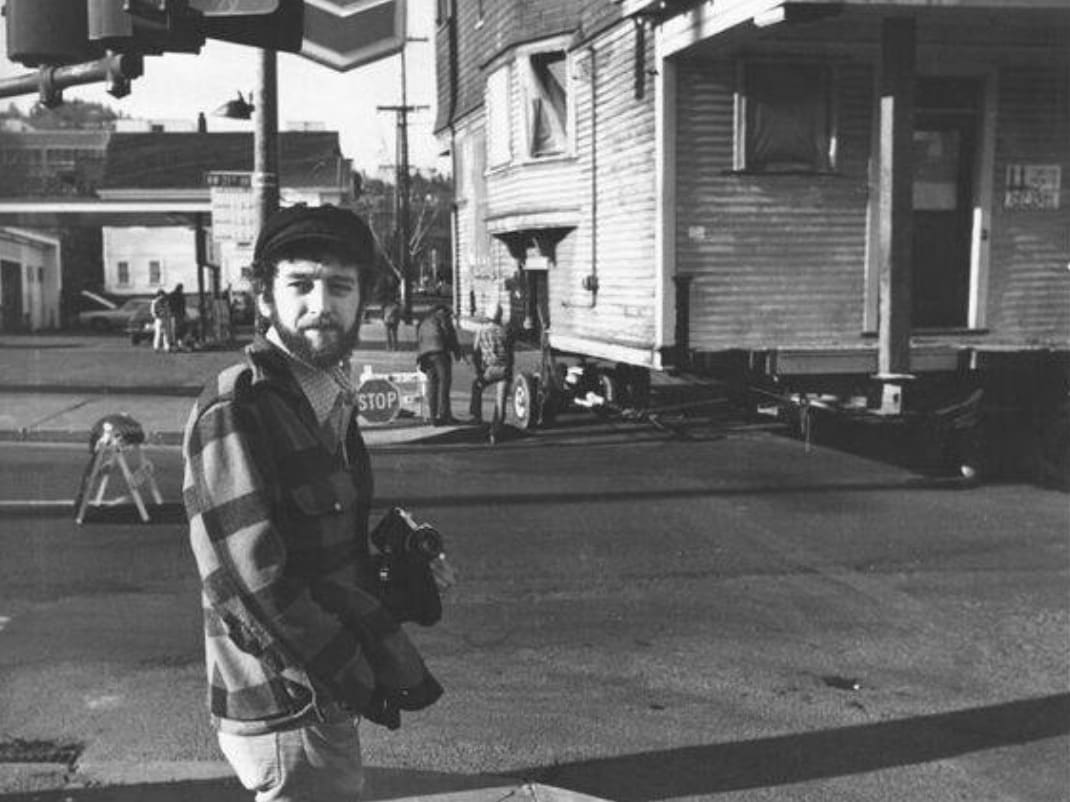
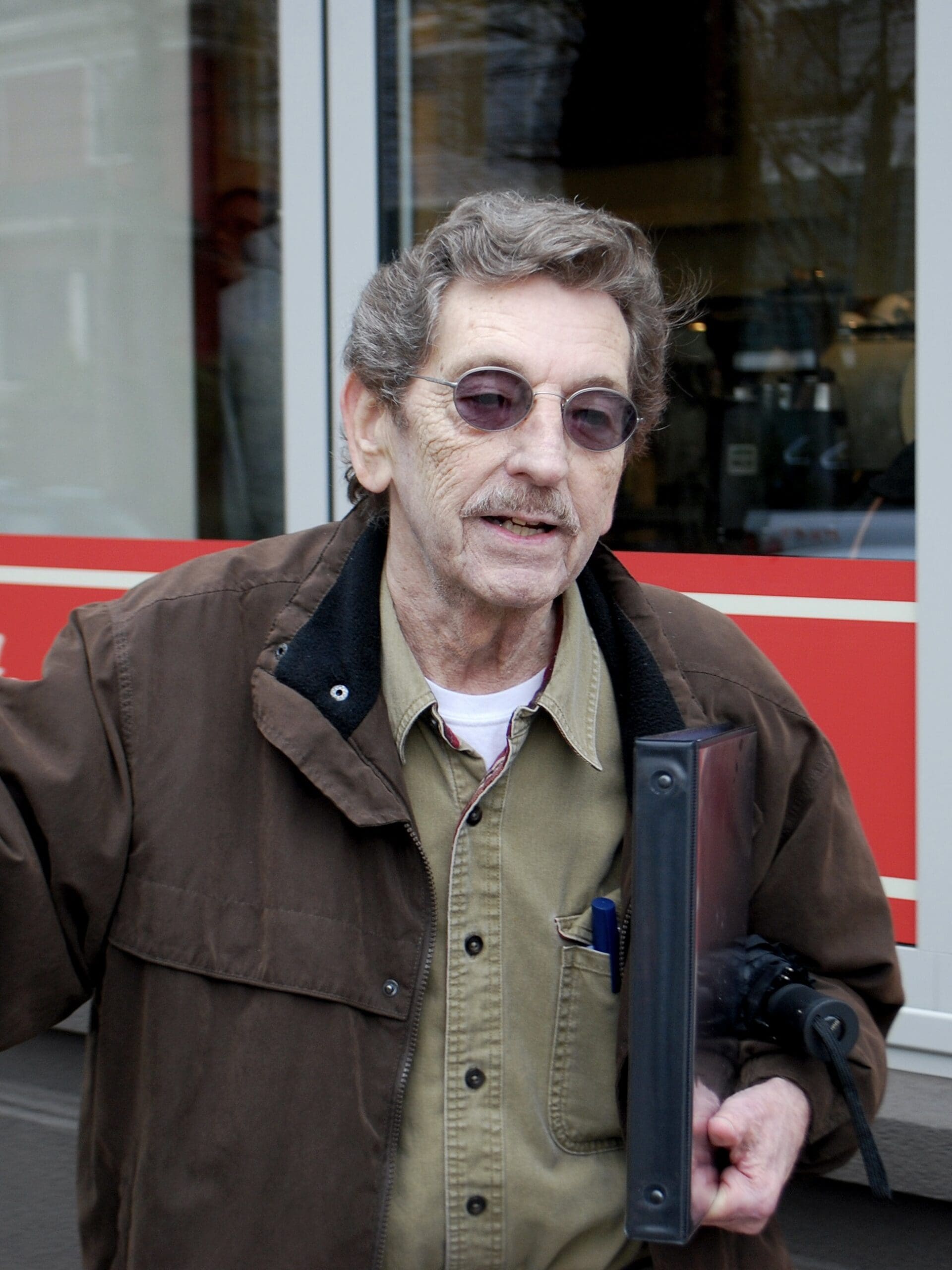
Read more: Fun Fact Pre #1 Mike RyersonThe Origin Story of Slabtown Tours Northwest Portland Champion Mike Ryerson 1940-2015 In 2012 Mike Ryerson felt that his friend Tanya March was not using her education to its fullest. Mike Ryerson was born in Northwest Portland in 1940, a fourth-generation resident of the neighborhood. He had just lost a long time job and wanted to start a new…
-
Deepen Your Understanding of Foster Road History
Read more: Deepen Your Understanding of Foster Road HistoryMany guests ask for more resources after our walk. These are the three books that most influenced my research and are wonderful ways to continue exploring our local history. You’ve finished the tour—which books you should read to keep the story going? I. Curious about how the streetcar era shape the unique layout of SE Foster today? If you found…
-
Explore St. Johns Beyond Our Tours
Read more: Explore St. Johns Beyond Our ToursSlabtown Tours Presents: The Curious Traveler’s Companion We made this page for our walking tour guests—past, present, and future—who want to dig deeper into the legends, history, and lore of St. Johns and beyond. Whether you’re joining us for a History of St. Johns or Murder Mayhem and Oddities of St. Johns or wandering solo, this guide is your curated…
-
Curated Soul of Slabtown Book List
Read more: Curated Soul of Slabtown Book ListBeyond Slabtown Tour Many of these books are on the reserve shelf at the NW Library. Library card holders should explore the Libby Ap a few books from the curated lists can be accessed there for free as digital books. Many of these books can be found locally at Powells City of Books. Other great book stores in areas the we lead tours include: Two…
-
Expand & Plan Your Ghostly Adventures
Read more: Expand & Plan Your Ghostly AdventuresBooks, Journals, and Other Hauntingly Good Independent Ghost Tours Whether you’re prepping for A Night With Ghosts, taking a self-guided adventure, or exploring other local tours, this is your guide to go deeper. These curated picks are often mentioned by Dr. March during our walking tours and are perfect companions to Portland’s stranger side. Many of these books can be found locally…
-
Dig Deeper Women of Nob Hill
Read more: Dig Deeper Women of Nob HillNob Hill Curated List Focus on Women of Portland Notable Women of Portland by Tracy J. Prince and Zadie Schaffer (2017) Intro: Mother-daughter authors Tracy Prince Phd and Zadie Schaffer have produced a book according to Prince that “goes into the messy parts of history. History is messy, and I don’t believe in cleaning it up,” From the cover “The story…
-
FUN FACT #85 Marking the Unmarked: Who Lies Beside Reverend Daniel Drew?
Read more: FUN FACT #85 Marking the Unmarked: Who Lies Beside Reverend Daniel Drew?The Soldier, The Minister, and His Silent Neighbors If you wander through the Historic Columbian Cemetery in North Portland—also known over the years as Love, Columbia, or Columbia Slough Cemetery—you will find along the road side fence a simple veteran’s marker for a man whose life spanned the most transformative eras of American history. The Department of Veterans Affairs often…
-
Fun fact #84The Great Curb Guard Disappearing Act
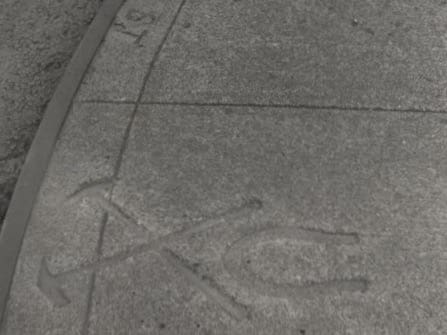
Read more: Fun fact #84The Great Curb Guard Disappearing ActFF #84: In the world of urban history, the sidewalk isn’t just concrete—it’s a time capsule. These “hidden histories” are vanishing. Remember those metal curb guards? Between age, neglect, and necessary ADA ramp upgrades, these iron relics are becoming a rare breed. If you missed it, check out this classic video by Berkeley and Tanya from five years ago –…
-
Fun Fact #83 A Century Old Theater in Nob Hill
Read more: Fun Fact #83 A Century Old Theater in Nob HillWhere could you go in NW Portland in the 1920s to experience a Spiritualist Service? In January 1927, you could attend a service by one of the world’s most famous spiritualist mediums, Arthur Ford, at The State Theater [The original name of Cinema 21]. Advertisements in The Sunday Oregonian promoted his lectures. Preforming as Dr. Ford “The Miracle Man” he…
-
Fun Fact #82 Why were Portlanders wearing face masks in 1980?
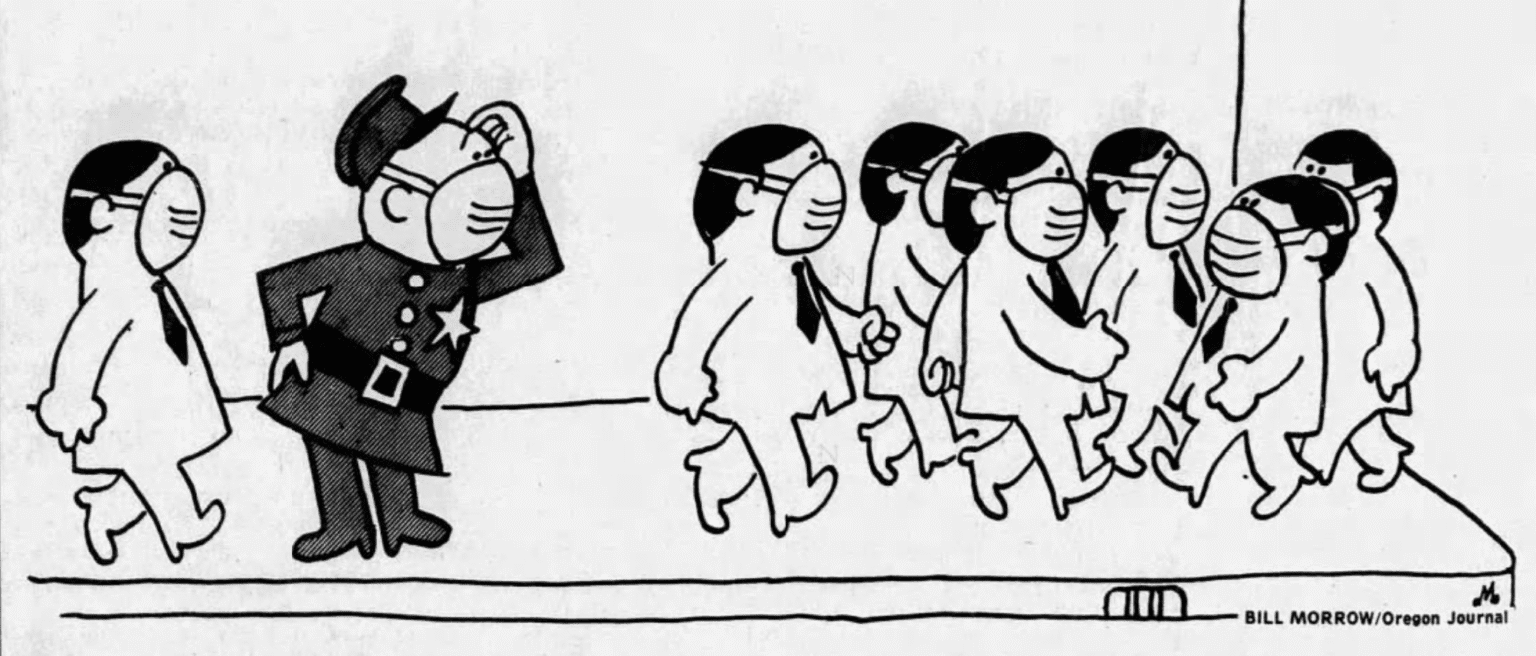
Read more: Fun Fact #82 Why were Portlanders wearing face masks in 1980?Why were Portlanders wearing face masks in 1980? Portlanders wore face masks in 1980 to avoid breathing in volcanic ash. Following the eruption of Mount St. Helens on May 18th, 1980 the wind blew east sparing the city until the wind shifted. The eruption released a massive ash cloud that spread across the Pacific Northwest and beyond. While Portland was…
-
Fun Fact #81 “The Cut” is not a natural ravine.
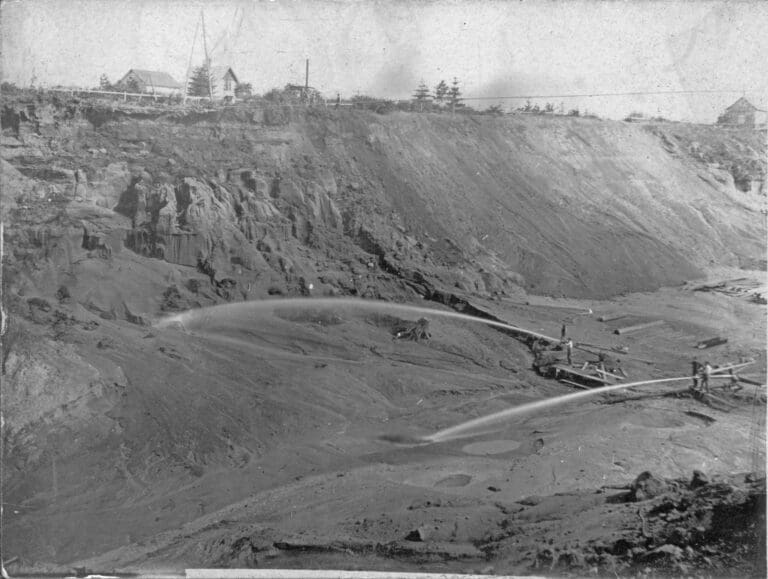
Read more: Fun Fact #81 “The Cut” is not a natural ravine.Why was Portland’s Mayor against the construction of “The Cut”? Portland’s mayor Henry Lane’s strongly opposed giving SP&R a franchise in 1906. SP&R had opted to create a trench rather than a tunnel. Lane declared this proposal “a defacement of property and a visual blight [an] out-and-out give-away…destroy the unity of the neighborhood.” Portland City Council members overrode the Mayor’s…
-
FUN FACT #80 What career path led J.T. McCready to be a hotelier?
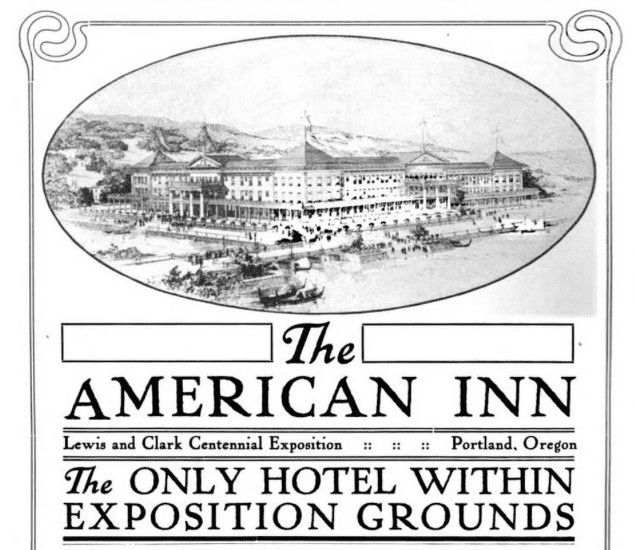
Read more: FUN FACT #80 What career path led J.T. McCready to be a hotelier?Last Updated on June 29, 2026 Fun Fact #80 Isn’t it fascinating to discover the unexpected paths people take in life? Today’s fun fact dives into the story of Mrs. J.T. McCready, the woman who ran the only official hotel of the 1905 Fair right here in Portland! What surprising career journey led Mrs. McCready to become a hotelier for such a…
-
Fun Fact #79 Which equine autobiography was first published in Portland, Oregon?
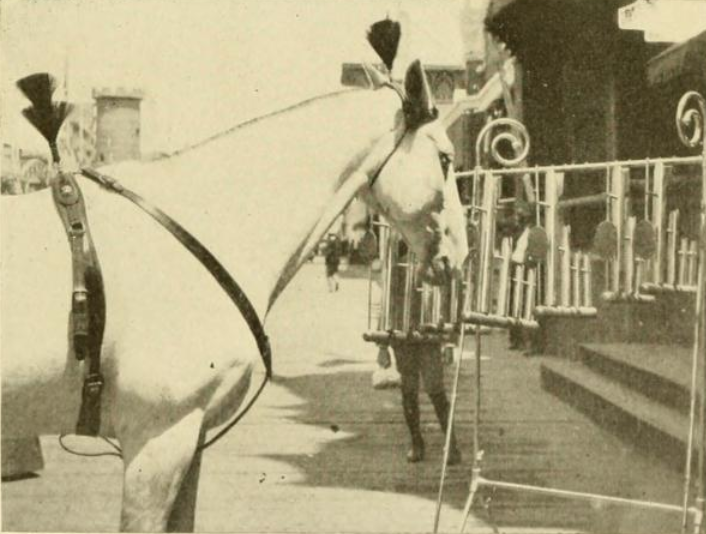
Read more: Fun Fact #79 Which equine autobiography was first published in Portland, Oregon?Which equine autobiography was first published in Portland, Oregon? A: Black Beauty (1877) B: Strider: The Story of a Horse (1886) C: Princess Trixie (1905) D: War Horse (1982) Answer Princes Trixie: Queen of all Educated Horses Autobiography: an accurate account of the sayings and doings of the wisest and most highly educated horse in the world. Free link to…